
When someone places an order online, they expect their product to arrive safely and on time. However, there is a lot that needs to happen behind the scenes to make this possible. From receiving stock to packing orders and arranging delivery, ecommerce fulfilment plays an important role in running a successful online business.
For smaller businesses, managing orders in house can be straightforward at first. As sales increase, keeping track of stock, preparing parcels and arranging deliveries can take up more time. This is why many online retailers choose to work with a fulfilment company to help manage their day to day operations.
But how does ecommerce order fulfilment work, and what does the process involve?
What Is Ecommerce Order Fulfilment?
Ecommerce order fulfilment is the process of getting products from a warehouse to the customer after an order has been placed online. It includes receiving stock, storing products, managing inventory, picking and packing orders, arranging shipping and handling returns.
Some businesses manage these tasks themselves, while others outsource them.
Using a fulfilment company means businesses can hand over their warehouse operations to an experienced team rather than managing every order themselves. This can make it easier to keep up with demand while focusing on other areas of the business.
How Does the Order Fulfilment Process Work?
1. Receiving Stock at the Warehouse
The process begins when products arrive at the fulfilment warehouse. Stock is checked against the delivery information to make sure the correct products and quantities have been received. Any damaged or missing items can then be identified.
Once the stock has been checked and recorded, it is prepared for storage. Getting this stage right helps keep inventory records accurate and makes it easier to manage orders later.
2. Storing Products Securely
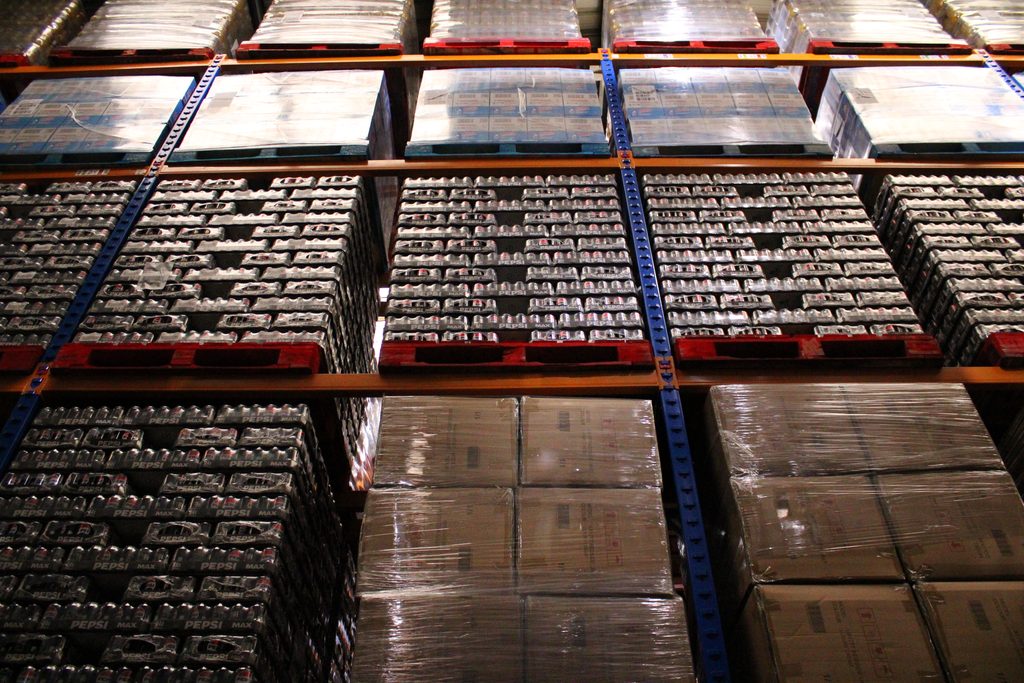
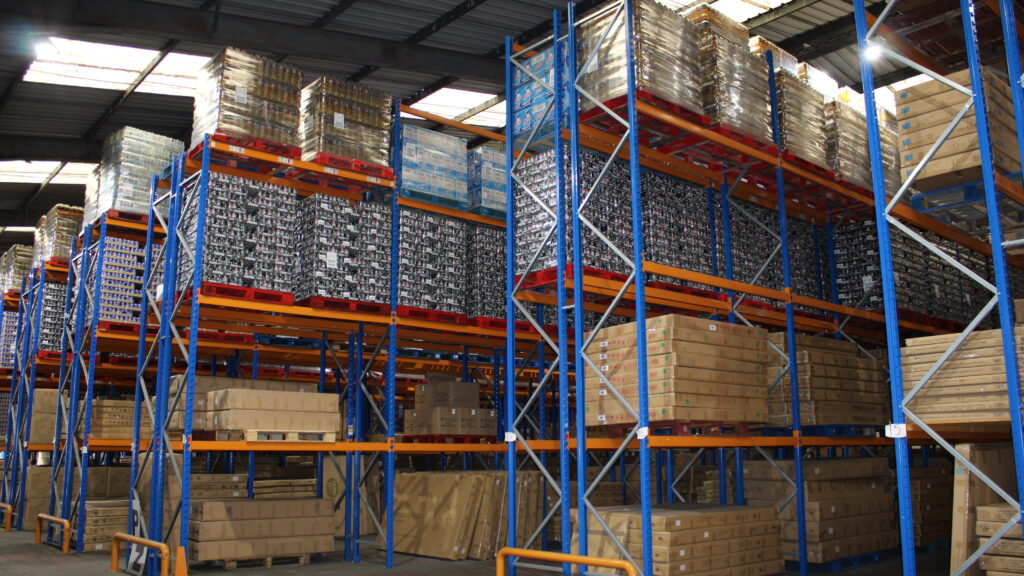
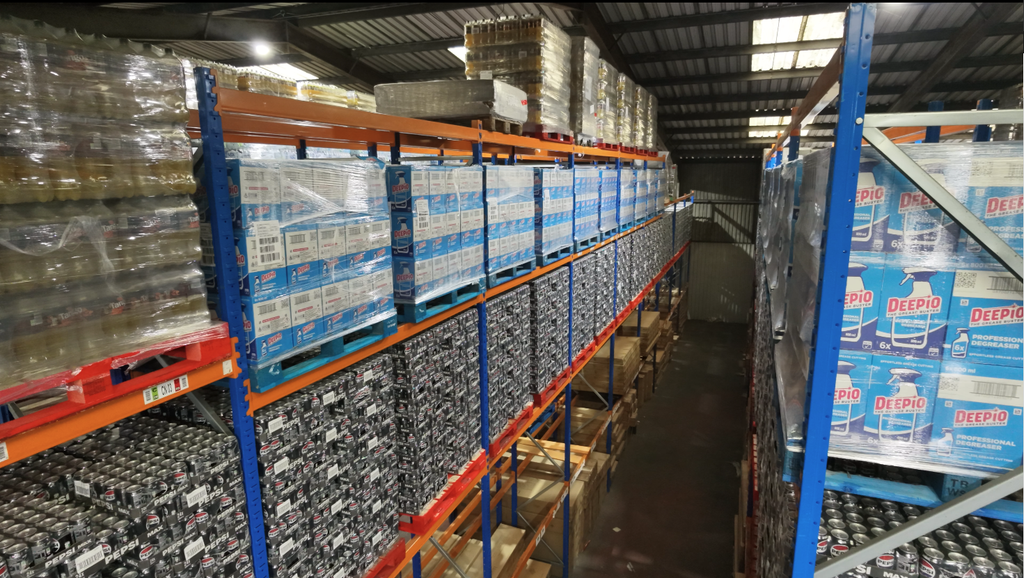
After the stock has been received, products are placed in suitable storage locations within the warehouse. An organised warehouse helps staff find products quickly and reduces the risk of items being misplaced.
For growing ecommerce businesses, using a fulfilment centre can also remove the need to store large amounts of stock at home or rent their own warehouse.
Having access to suitable storage space can make managing a growing product range much easier.
3. Managing Inventory
Keeping track of stock is an important part of ecommerce fulfilment. Businesses need to know what products they have available, which items are selling and when more stock may be needed.
Warehouse management systems help record inventory levels and track stock movements. This gives businesses better visibility of their products and supports more informed decisions about replenishment.
Accurate inventory management can also help reduce stock errors and the risk of accepting orders for products that are no longer available.
4. Processing Customer Orders
When a customer places an order through an online shop, the order details need to reach the warehouse team.
Many fulfilment companies connect their warehouse management systems to ecommerce platforms, allowing order information to be transferred automatically. This can reduce manual administration and help orders move through the process more efficiently.
Once an order has been received, the warehouse team can identify the products required and begin preparing the parcel.
5. Picking and Packing Orders
Picking involves locating the correct products in the warehouse and collecting the items needed for each order. The products are then checked and packed ready for delivery.
Packaging is important because it helps protect products during transit. Some businesses use standard packaging, while others choose branded boxes, printed mailers or promotional inserts to create a more personalised experience for customers.
An organised picking and packing process helps businesses prepare orders accurately and maintain a consistent standard as order volumes increase.
6. Shipping and Despatching Orders
Once an order has been packed, it is prepared for despatch and handed over to the chosen delivery carrier.
The delivery service will depend on the size and weight of the parcel, its destination and the customer’s delivery requirements. Tracking information may also be available to help customers follow their orders.
Reliable despatch is an important part of the customer experience. Getting orders out on time helps businesses meet expectations and build trust with their customers.
7. Managing Returns
The fulfilment process can continue after an order has been delivered. If a customer returns a product, the item may need to be received, checked and recorded before its next step is decided.
Depending on its condition, the product may be suitable to return to stock or may need to be kept separate. Updating inventory records helps ensure the business has an accurate picture of the products available for sale.
Having a clear returns process can make it easier to manage returned items and keep stock organised.
Why Do Businesses Use Ecommerce Fulfilment Services?
As an online business grows, managing every order internally can become difficult. Outsourcing to a fulfilment company can help take some of the pressure off while providing access to warehouse space, inventory management and order processing support.
It can also give business owners more time to focus on marketing, customer service and developing their products.
Another benefit is flexibility. Businesses often experience changes in demand throughout the year, particularly during seasonal promotions and busy shopping periods. A suitable fulfilment partner can help manage these changing requirements.
The right solution will depend on your products, order volumes, storage needs and plans for growth.
Ecommerce Fulfilment Services at Ayla Group
At Ayla Group, we understand that managing stock and customer orders can take up valuable time. Our ecommerce fulfilment services help businesses manage the process, from receiving products at the warehouse to picking, packing and despatching customer orders.
We provide secure warehousing, inventory management and tailored fulfilment solutions to suit different business requirements. We can also discuss packaging options for brands that want their orders to reflect their identity.
Every business has different needs, which is why we work to understand your products, order volumes and requirements before putting together a suitable solution.
By outsourcing your fulfilment to Ayla Group, you can spend less time dealing with daily warehouse operations and more time focusing on your customers and business growth.
Is It Time to Outsource Your Fulfilment?
If you are spending hours packing parcels, struggling to keep track of stock or running out of storage space, it may be worth considering a fulfilment partner.
Outsourcing can help you manage orders, organise inventory and prepare for growth without having to handle every part of the process yourself.
Understanding how ecommerce order fulfilment works is a useful first step towards finding a solution that suits your business.
Get in touch with Ayla Group to discuss your requirements and find out how our tailored fulfilment solutions could help your business.